As we continue through the Season of Creation, we are invited to reflect on water—a gift that sustains all life and a fundamental right that should be available to all people. As we consider the waters that nourish our communities and our common home, we are also invited to ask: When our actions poison, deplete, or otherwise threaten our waters—and therefore the well-being of people and all creatures—what is our responsibility?
“God will ask us if we have cultivated and cared for the world that He created, and if we have taken care of our sisters and brothers. What will be our answer?”
– Pope Leo XIV
A Reflection by Eva Silva, OP
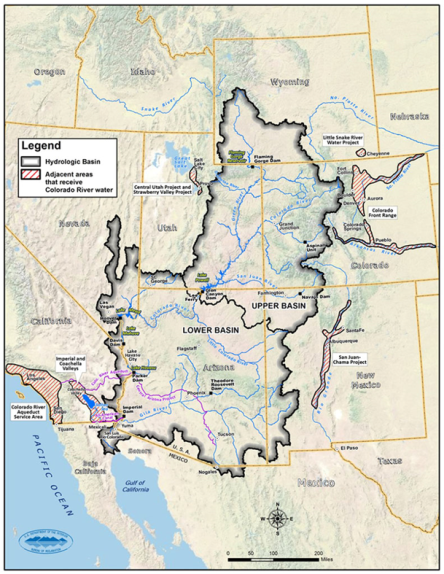
In our last session of the Promoter of Study Committee, we recalled and shared memories of water. One of my early memories, which I did not share that day, was getting on my grandfather’s horse, (Baby) galloping her fast enough to jump over the ditch on the property. She made it, but I who was riding bareback and holding onto her mane slipped into the ditch. It was a hot day, and it felt refreshing. The acequia was full and the landing was soft. Today, we in New Mexico, as in many parts of the country and the world, are experiencing drought. The acequias are dry and the Rio Grande in many places has no water flowing in part due to the Colorado River crisis.
My memory reminds me of this St. Catherine of Siena writing.
“…Open up our memory for us, so that we may receive, hold fast,
and understand God’s great goodness! For as we understand, so we love…”St. Catherine of Siena
We are witnessing today memory and history being “intentionally erased” (Big Bend, tribal water rights, slavery, women’s rights). Abusive power seeks to create new false narratives and to silence the voices most impacted by bureaucratic decisions. The use of water, water management, and the water crisis reflect this current reality.
I have learned recently that “New Mexico has one of the longest continuously traceable histories of human water use in the United States. The organized management of water resources in New Mexico spans back at least 1,000 to 3,000 years ago, including irrigation structures and runoff collection systems of the Ancestral Pueblo People of the Four Corners region.” (Tribal Water Report) And yet Tribal Nations are being excluded from water negotiations even though they have “senior rights to a quarter of the river’s flow.” Sharing memories and history of peoples and lands and rights being stripped away is an important part of our “preaching” as is recognizing and naming injustice with our collective voice.
We pray that the wisdom and history of our Indigenous brothers and sisters be recognized and respected.
We pray that the waters of our Baptism and the path of discipleship will encourage us to walk with our brothers and sisters seeking justice.
We challenge ourselves to study and continue to learn what injustices have happened and continue still and how we may have unwittingly been complicit. “…for as we understand, so we love…”
When I need a reminder that what we need is available and sustenance is given, I sometimes turn to poetry. I hope “The Fountain” by Denis Levertov speaks to you as well.
Question for Reflections or Sharing:
What is one way this reflection challenges you to care for water and work for justice for people and all of creation?
Reflection 2
The Fountain by Denise Levertov
Don’t say, don’t say there is no water
to solace the dryness in our hearts.
I have seen
the fountain springing out of the rock wall
and you drinking there. And I too
before your eyes
found footholds and climbed
to drink the cool water.
The woman of that place, shading her eyes,
frowned as she watched — but not because
she grudged the water,
only because she was waiting
to see we drank our fill and were
refreshed.
Don’t say, don’t say there is no water.
That fountain is there among its scalloped
green and gray stones,
it is still there and always there
with its quiet song and strange power
to spring in us,
up and out through the rock.
Questions for Reflections or Sharing:
1. What do you think the “fountain” represents?
2. What is involved in getting to the fountain?
3. What phrase or line speaks to you and why?
Resources thoughtfully compiled by the DSGR Promoter of Study Committee
_________________________________________________________________________________
View additional reflections on water
Study Opportunity: U.S. Government role in water management